Water report directory / IL
Chicago water guide.
Lake Michigan supply and a separate question at the service line.
The water profile.
Chicago 2025 Consumer Confidence Report
| What to look at | Utility information |
|---|---|
| Source | Lake Michigan |
| Treatment | Two water treatment plants serve the Chicago water system |
| Report scope | Water-system information and annual monitoring results |
| At the address | Confirm the supplier and the service-line information for the property |
Start with the supplier on the bill.
Chicago’s report identifies Lake Michigan as the source, with water treated at two plants. A household in the wider region may receive water through another supplier, whose own report and distribution information also matter.
Use the supplier on the bill as the starting point. Keep the Chicago source information alongside that supplier’s report where applicable.
Ask about the property’s service line.
Source-water quality and the materials between the main and the tap are different parts of the picture. Ask the supplier how to identify the service-line material and obtain the appropriate tap-testing guidance for the address.
Keep service-line records with renovation plans. If plumbing work is part of the project, include it in the conversation before choosing where the drinking-water outlet will go.
Find your supplier.
For addresses served by Chicago Department of Water Management, begin with the supplier’s published information. Confirm the supplier on your bill, especially if you live outside the city’s direct service area.
Keep the context with the figures.
Your supplier’s current report and any address-specific guidance on service lines or tap-water testing.
Read the ranges, sampling dates and footnotes alongside the results to understand the water supplied to your area.
For a question about your tap.
A change in taste, color or odor is a reason to contact your supplier with the details. Ask about any current advisories and the right testing method for a specific concern.
For a treatment project, keep your report and any tap-water test results together so you can discuss the right system for your home.
Bring it into the project.
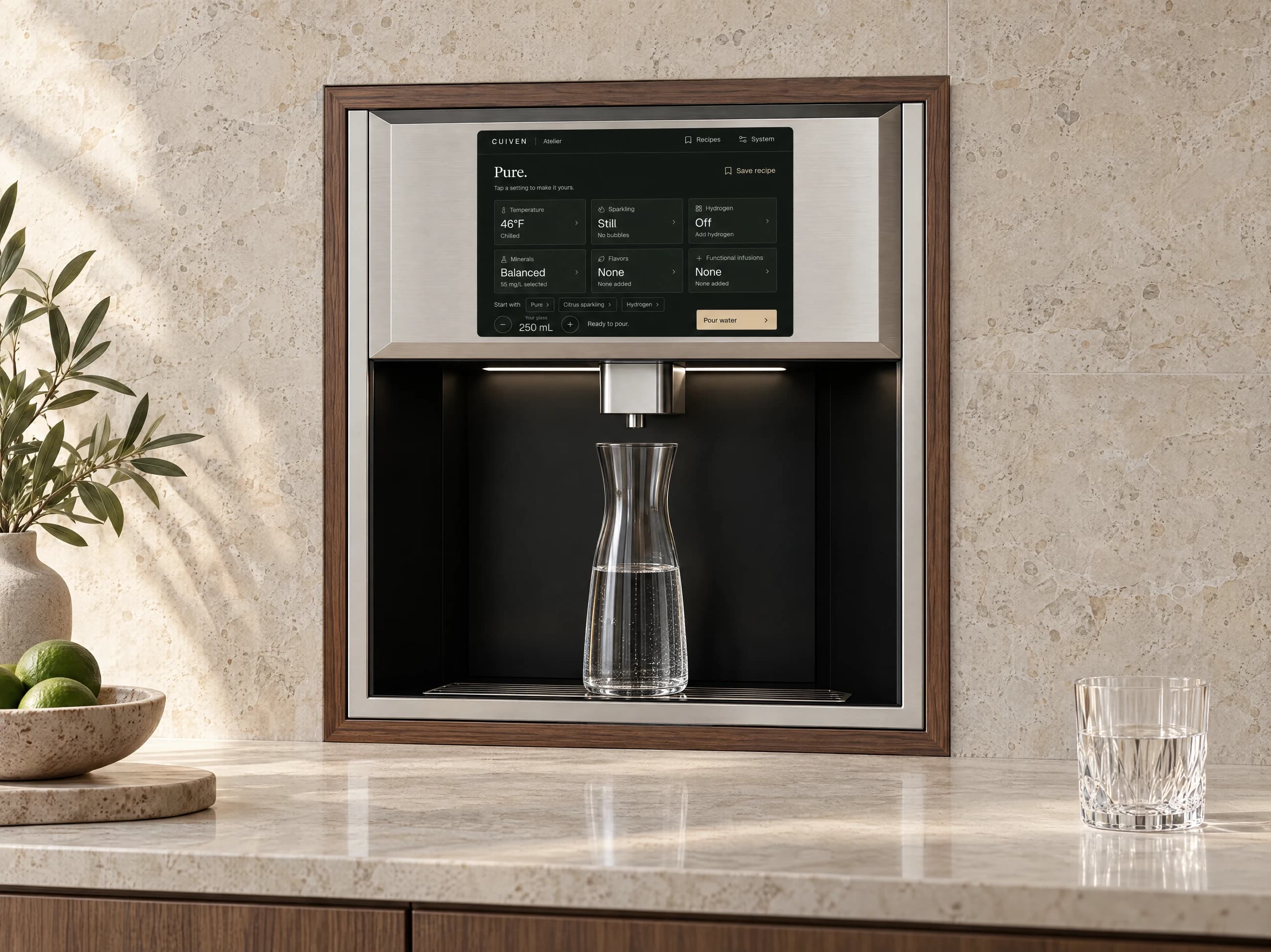
Keep the report with the installation information: the address, available utilities and what you want from the water experience. For Atelier, that discussion also includes the dispenser location and nearby equipment space.