Water report directory / FL
Miami water guide.
Aquifer water, treatment plants and distinct service systems.
The water profile.
Miami-Dade 2025 report, “How our water is treated”
| What to look at | Utility information |
|---|---|
| Source discussed in the report | Biscayne Aquifer |
| Regional treatment plants | Alexander Orr, Jr.; John E. Preston; Hialeah |
| Additional systems | South Dade plants and the Hialeah reverse-osmosis plant |
| Hardness treatment example | Alexander Orr, Jr. uses lime treatment before disinfection and filtration |
Raw water and treated water are different.
The 2025 report describes lime treatment to reduce hardness at Alexander Orr, Jr., followed by disinfection and filtration. A description of aquifer water alone therefore does not describe the finished water delivered from that plant.
Read the treatment explanation beside the table for the applicable system. Confirm the supplier and the service area before applying a result to a home.
Include mineral information in the project.
When scale or taste is the question, ask for the applicable hardness and mineral information from the supplier. Record the units and the period, rather than substituting a general South Florida water profile.
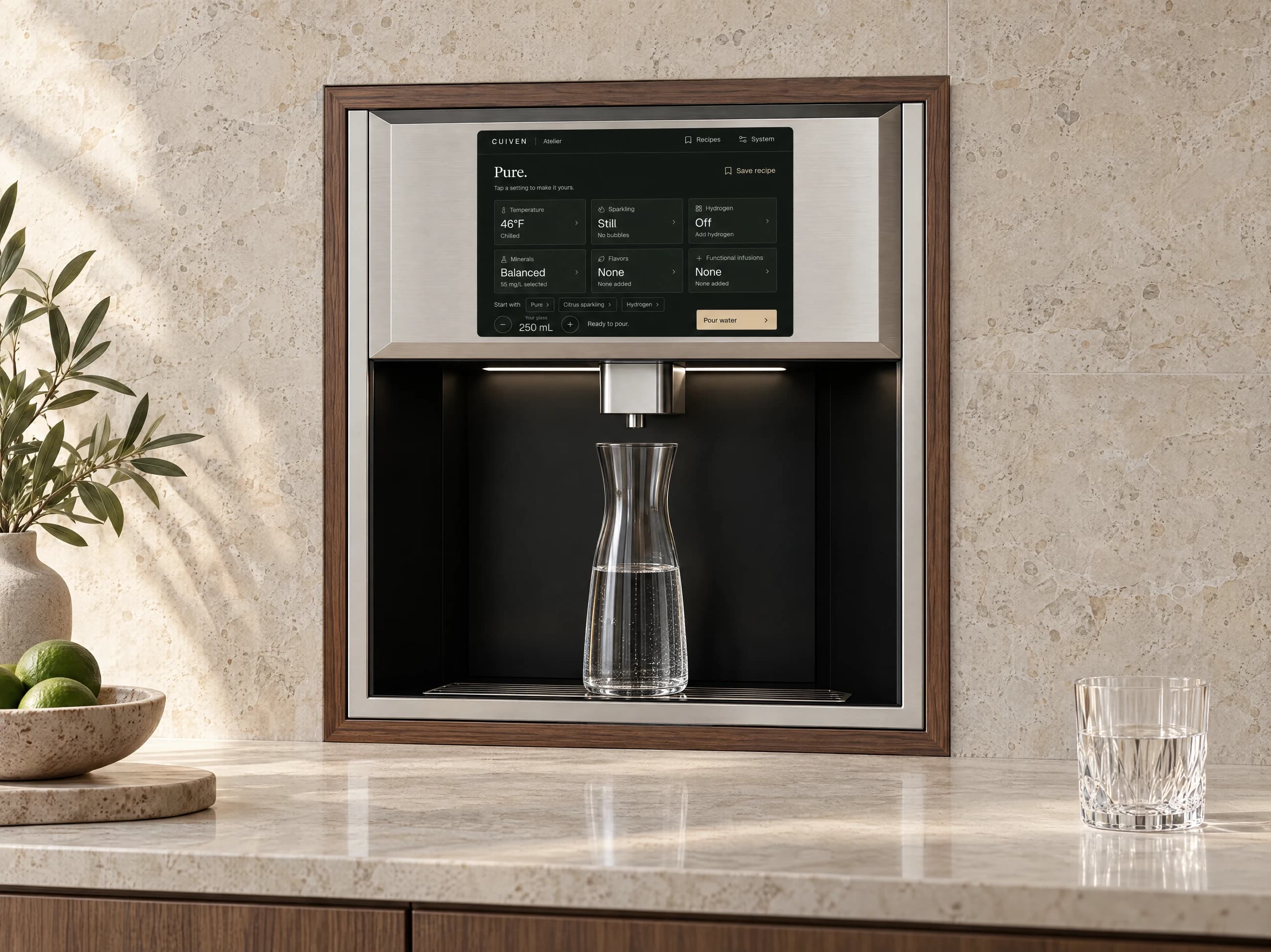
For a kitchen project, include the treatment-equipment location, the connections and access for care. For a shower project, separate the filter’s stated reduction claim from any hardness-treatment requirements.
Find your supplier.
For addresses served by Miami-Dade Water and Sewer Department, begin with the supplier’s published information. Confirm the supplier on your bill, especially if you live outside the city’s direct service area.
Keep the context with the figures.
The report year, applicable service area and the utility’s current water-quality notices.
Read the ranges, sampling dates and footnotes alongside the results to understand the water supplied to your area.
For a question about your tap.
A change in taste, color or odor is a reason to contact your supplier with the details. Ask about any current advisories and the right testing method for a specific concern.
For a treatment project, keep your report and any tap-water test results together so you can discuss the right system for your home.
Bring it into the project.
Keep the report with the installation information: the address, available utilities and what you want from the water experience. For Atelier, that discussion also includes the dispenser location and nearby equipment space.